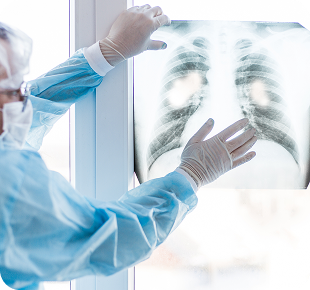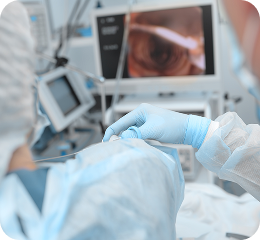
Our services
Pulmonary Diagnosis
& Treatment Services
Better Breathing For a Better You.
Over 40 years of expert care in pulmonary,
sleep, and critical care medicine — across five convenient locations in Gwinnett County.
Rating 4.8/5.0
Need help with Sleeping Better instead?
Helping You Breathe Easier
We diagnose and treat a wide range of respiratory conditions with advanced tools and customized care plans.
Pulmonary Services We Offer:
Trouble breathing or chronic cough?
All services available at our 5 convenient locations. No referral required for new patients.
More Ways to Heal
Comprehensive care that supports healing and enhances your comfort and recovery.
More Pulmonary Services Include:

Comprehensive Lung Care.
Our pulmonary program makes it easy to get expert respiratory
care close to home. From diagnostic testing to ongoing treatment
plans, our team helps you breathe easier with confidence.
- Pulmonary testing
- Lung evaluations
- Advanced bronchoscopies
- Chronic management
- Procedure follow-ups
- Patient education
Sleep and breathing news,made simple. Subscribe today.
Not Sure Where to Start? Here’s a quick guide:
Concern
Start Here
Shortness of breath
May indicate asthma, COPD, or restricted airflow—schedule testing to determine the cause.
Loud snoring or sleep apnea
Interrupted breathing at night? You may need a sleep study and CPAP therapy.
Daytime sleepiness/fatigue
Feeling tired despite sleeping? A specialist can diagnose issues like apnea or narcolepsy.
Chronic cough or lung nodules
Lingering cough or abnormal lung findings? Early evaluation is key to prevention and treatment.
Trouble sleeping or insomnia
Insomnia or fragmented sleep could signal a treatable sleep disorder. Let’s find out why.
Can’t tolerate CPAP?
Inspire is a surgical, mask-free option for sleep apnea patients who can’t use CPAP.
More Ways to Heal
Expert Care for Common Lung & Sleep Conditions

Helping You Breathe Easier
We diagnose and treat a wide range of
respiratory conditions with advanced
tools and customized care plans.
Diagnostic & Procedural Care
001
Pulmonary Ultrasound
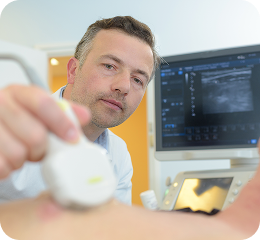
Pulmonary ultrasound is a safe, non-invasive imaging tool that allows pulmonologists to evaluate the lungs and surrounding structures in real time. Using sound waves instead of radiation, this technology provides immediate insight into a variety of lung and chest conditions.
At Gwinnett Pulmonary & Sleep, pulmonary ultrasound plays an important role in diagnosing breathing concerns, detecting fluid around the lungs, and guiding certain procedures with precision. The exam is quick, painless, and often performed right at the bedside or in the office.
When accurate answers are needed without unnecessary delays or radiation exposure, pulmonary ultrasound is an effective and reliable option.
Book an Appointment | Contact Us
What Is Pulmonary Ultrasound?
Pulmonary ultrasound is a diagnostic imaging test that uses high-frequency sound waves to create detailed images of the lungs and pleural space (the area surrounding the lungs). A small handheld device called a transducer sends sound waves into the chest. These sound waves are reflected and converted into images displayed on a screen.
Unlike X-rays or CT scans, pulmonary ultrasound does not use radiation. The images are generated instantly, allowing your provider to evaluate lung movement, detect fluid, and assess abnormalities in real time.
This technology has become an important tool in modern pulmonary care because it is:
- Non-invasive
- Radiation-free
- Portable
- Immediate
Pulmonary ultrasound is especially valuable in situations where fast decision-making is important.
What Is Pulmonary Ultrasound Used For?
Pulmonary ultrasound can help evaluate a wide range of respiratory conditions. It is often used to clarify findings from physical exams or other imaging studies and can sometimes reduce the need for more extensive testing.
Common uses include:
Detecting Pleural Effusion (Fluid Around the Lungs)
One of the most common indications for a pulmonary ultrasound is to identify pleural effusion, a buildup of fluid between the lungs and chest wall. Ultrasound allows precise visualization of fluid and helps determine how much is present.
Evaluating Shortness of Breath
When someone experiences difficulty breathing, a pulmonary ultrasound can help determine whether the cause is fluid overload, infection, lung collapse, or another condition.
Identifying Pneumothorax (Collapsed Lung)
Pulmonary ultrasound is highly effective at detecting pneumothorax, a condition in which air collects outside the lung, causing it to collapse. Early detection allows for faster treatment.
Assessing Lung Infections
Ultrasound can reveal signs of pneumonia and other infections by identifying areas of lung consolidation or inflammation.
Monitoring Chronic Lung Conditions
For patients with ongoing respiratory disease, pulmonary ultrasound can help monitor changes over time without repeated radiation exposure.
Guiding Procedures
Pulmonary ultrasound is frequently used to guide procedures such as thoracentesis (removal of fluid from around the lungs). Real-time imaging improves accuracy and reduces the risk of complications.
Book an Appointment | Contact Us
How Pulmonary Ultrasound Works
Pulmonary ultrasound is straightforward and typically requires little to no preparation.
Before the Exam
In most cases, no special preparation is necessary. You can eat, drink, and take medications as instructed unless your provider advises otherwise.
The exam may be performed in-office or at the bedside for hospitalized patients:
Because the equipment is portable, pulmonary ultrasound can be performed wherever it is needed.
During the Exam
The procedure itself is simple and comfortable.
- You will sit upright or lie down, depending on the area being examined.
- A small amount of gel is applied to the skin. This gel helps the sound waves travel efficiently.
- The provider moves the handheld transducer across the chest wall.
- Images appear instantly on a monitor.
There are no needles involved unless the ultrasound is being used to guide a separate procedure. The exam typically takes about 15 to 30 minutes.
Pulmonary ultrasound does not cause pain. You may feel light pressure from the transducer, but the process is gentle.
After the Exam
There is no recovery time required. You can return to normal activities immediately after the exam.
Because images are available in real time, your provider may review findings with you shortly after the test is completed. In some cases, the results help guide immediate next steps in your care plan.
Benefits of Pulmonary Ultrasound
Pulmonary ultrasound offers several important advantages that make it a valuable tool in respiratory care.
No Radiation Exposure
Unlike CT scans and chest X-rays, pulmonary ultrasound uses sound waves rather than radiation. This makes it safe for repeated use and long-term monitoring.
Real-Time Imaging
Images are produced instantly, allowing providers to assess lung movement and fluid levels as they occur.
Non-Invasive and Comfortable
The exam does not require incisions, injections, or sedation.
Portable and Accessible
Because the equipment is compact and mobile, pulmonary ultrasound can be performed in various settings, including at the bedside for hospitalized patients.
Improved Safety During Procedures
When guiding fluid removal or other procedures, pulmonary ultrasound improves precision and reduces the risk of complications.
Faster Decision-Making
Immediate imaging supports faster diagnoses and timely treatment planning.
Is Pulmonary Ultrasound Safe?
Pulmonary ultrasound is considered extremely safe. It uses sound waves, a technology widely used in medical imaging for decades. There are no known harmful effects from diagnostic ultrasound when performed by trained professionals.
Because it does not involve radiation exposure, pulmonary ultrasound is appropriate for:
- Ongoing monitoring
- Repeated evaluations
- Patients of various ages
Safety and accuracy are priorities at Gwinnett Pulmonary & Sleep, and pulmonary ultrasound supports both.
How Pulmonary Ultrasound Compares to Other Imaging Tests
Pulmonary ultrasound does not completely replace chest X-rays or CT scans. Each imaging method has a specific role in pulmonary medicine.
Ultrasound is particularly effective for:
- Detecting fluid
- Assessing lung movement
- Identifying pneumothorax
- Guiding procedures
CT scans may still be necessary for detailed evaluation of lung nodules, tumors, or complex anatomy.
In many cases, pulmonary ultrasound serves as a first-line or complementary imaging modality that enhances diagnostic clarity without additional radiation exposure.
Why Choose Gwinnett Pulmonary & Sleep?
Advanced diagnostic tools are most effective when paired with experienced physicians and compassionate care.
Skilled Pulmonology Team
Our board-certified pulmonologists are trained in modern imaging techniques, including pulmonary ultrasound, to support accurate and efficient diagnosis.
Integrated Pulmonary Care
Pulmonary ultrasound is part of a comprehensive approach to lung health. When additional testing or treatment is needed, care is coordinated seamlessly.
Community-Focused Care
Gwinnett Pulmonary & Sleep proudly serves patients throughout Gwinnett County and areas north of Atlanta. With convenient locations and a dedicated team, expert pulmonary care is close to home.
Commitment to Patient Comfort
Clear communication, thoughtful guidance, and personalized care are central to every visit.
Schedule an Appointment
Pulmonary ultrasound is a safe, efficient method for evaluating lung conditions and guiding treatment decisions. Whether assessing fluid around the lungs, investigating shortness of breath, or supporting a procedure, this advanced imaging tool provides valuable insights without radiation exposure.
To learn more or schedule an appointment, contact Gwinnett Pulmonary & Sleep today. Our team is committed to delivering precise, compassionate pulmonary care for patients throughout Gwinnett County and north of Atlanta.
Book an Appointment | Contact Us
Frequently Asked Questions
How long does a pulmonary ultrasound take?
The exam typically lasts between 15 and 30 minutes.
Is pulmonary ultrasound painful?
No. The test is non-invasive and does not cause pain.
Does pulmonary ultrasound replace a CT scan?
Not always. While pulmonary ultrasound is highly effective for certain conditions, CT scans may still be necessary in some situations.
Are results available immediately?
Images are available in real time, and your provider may discuss findings during or shortly after the exam.
Is preparation required?
Most patients do not need special preparation before a pulmonary ultrasound.
001
Our Services: Bronchoscopy
Pulmonary function tests (PFTs) measure how well your lungs take in and exhale air and how efficiently they transfer oxygen into the blood. There are several different tests. Spirometry measures how well the lungs exhale (breathe out). Lung volume measures how well the lungs inhale (breathe in). Testing the diffusion capacity of carbon monoxide (DLCO) shows how efficiently the lungs transfer oxygen from the air into the bloodstream.
Why are these tests done?
Pulmonary function tests help:
- Diagnose lung diseases such as asthma, chronic bronchitis, and emphysema.
- Determine the cause of shortness of breath.
- Measure the effects of exposure to chemicals, coal dust and other toxins on your lung function.
- Measure the effectiveness of medicines and other treatments.
- Detect lung disease at an early stage before you have symptoms.
How do I prepare for these tests?
Eat a light meal and do not smoke for four to six hours before your test. If you have asthma, ask your health care provider if you need to stop using asthma medicine before the test.
How is the test done?
Spirometry—You breathe into a mouthpiece connected to an instrument called a spirometer. The spirometer measures the volume of air that you can force out of your lungs in one second after having inhaled as much as you can. You will be asked to hold the tube of a spirometer in your mouth, inhale as much air as possible, and then blow out as hard as you can into the spirometer for one second. The amount of air you can force out is called your forced expiratory volume, or FEV1.
Lung volume: You breathe nitrogen or helium gas through a tube for a certain amount of time, and then the concentration of the gas in a chamber attached to the tube is measured.
Diffusion capacity—You breathe carbon monoxide for a very short time (often one breath). The concentration of carbon monoxide in the air you exhale is then measured. The difference in the amounts of carbon monoxide inhaled and exhaled shows how quickly gas can travel from your lungs into the blood.
PFTs are painless, and you will have time to rest between the different breathing measurements. The measurements may be repeated two or more times.
Pulse Oximetry
A pulse oximeter is a medical device that indirectly measures the oxygen saturation of a patient’s blood (as opposed to measuring oxygen saturation directly through a blood sample) and changes in blood volume in the skin, producing a photoplethysmograph. It is often attached to a medical monitor so staff can always see a patient’s oxygenation. Most monitors also display the heart rate.
A blood-oxygen monitor displays the percentage of arterial hemoglobin in the oxyhemoglobin configuration. Acceptable normal ranges are 95 to 100 percent, although values down to 90 percent are common. For a patient breathing room air, at not far above sea level, an arterial pO2 can be estimated from the blood-oxygen monitor SpO2 reading.
We also perform exercise pulse oximetry for Medicare patients needing to re-qualify for their home oxygen and evaluate a patient’s oxygen levels during exercise.
Coumadin Clinic
We offer an in-office Coumadin clinic for patients using Coumadin, Warfarin, Lovenox, and Fragmin. We perform a finger-stick PT/INR level check and consult with an RN.
What is the prothrombin time test?
The prothrombin time, or PT, test measures when it takes blood to form a clot. This test is also often called protime.
The results of the prothrombin time test may vary from lab to lab, so healthcare providers use a ratio called the INR (international normalized ratio) to be able to account for the differences.
Why is this test done?
The PT/INR is usually done to measure the effect of blood-thinning medicines (anticoagulants), such as Warfarin (Coumadin).
If you have a medical condition such as atrial fibrillation or deep vein thrombosis or have had a heart valve replaced, your blood is more likely to form clots. Clots can block blood vessels and possibly cause a heart attack or stroke. Your healthcare provider may prescribe a blood thinner to help prevent clots. It’s very important to measure the effect of a blood thinner with this test. The medicine should keep the blood just thin enough to prevent clots. If the blood is too thin, you may bleed too easily.
The prothrombin time test may also be done if you have abnormal bleeding or clotting.
Injections
At the Gwinnett Pulmonary Group, we offer a number of injections and vaccines meant to keep patients healthy at all times. These injections include:
- XOLAIR
- Used to treat patients with severe asthma
- VACCINES
- Pneumonia
- Flu
- H1N1
003
Transitional Care Management in Atlanta, GA
The period immediately following a hospital discharge is one of the most important times in a patient’s recovery. Medication changes, new diagnoses, follow-up testing, and specialist referrals can create confusion and increase the risk of complications. Transitional care management provides structured medical oversight during this critical phase.
At Gwinnett Pulmonary & Sleep, our transitional care management services are designed to support patients as they transition from hospital care to home. Through coordinated follow-up, medication review, and direct communication, we help reduce readmissions and promote safe recovery.
For patients in Atlanta and surrounding communities, organized post-discharge care ensures continuity, clarity, and confidence.
What Is Transitional Care Management?
Transitional care management is a structured medical service that supports patients after discharge from a hospital or healthcare facility.
Transitional care management focuses on bridging the gap between inpatient and outpatient care. This transition of care management process ensures that:
- Hospital discharge instructions are reviewed
- Medications are reconciled and clarified
- Follow-up appointments are scheduled
- Diagnostic testing is coordinated
- Care plans are updated
Rather than waiting until the next routine visit, transitional care management begins shortly after discharge. This proactive approach helps prevent complications and provides close oversight during recovery.
Who Qualifies for Transitional Care Management Services?
Transitional care management services are typically available to patients who have recently been discharged from:
- A hospital
- A skilled nursing facility
- A rehabilitation center
Patients managing chronic or complex medical conditions may particularly benefit from structured follow-up.
Examples include individuals with:
- Chronic obstructive pulmonary disease (COPD)
- Asthma
- Pulmonary fibrosis
- Chronic respiratory failure
- Heart disease
- Diabetes
- Recent infections or pneumonia
Patients at higher risk of readmission or those with multiple medical conditions are often strong candidates for transitional care management.
What Is Included in Transitional Care Management Services?
Our transitional care management program follows a structured and timely process.
Post-Discharge Contact
Initial contact is made within the required timeframe following discharge. This communication ensures:
- Discharge instructions are understood
- Questions are addressed
- Follow-up appointments are arranged
Early contact helps identify potential issues before they escalate.
Medication Reconciliation
Medication changes frequently occur during hospitalization. One of the most important components of transition-of-care management is medication reconciliation.
This process includes:
- Reviewing new prescriptions
- Comparing pre-hospital and post-hospital medications
- Identifying duplications or interactions
- Clarifying dosing instructions
Careful review reduces the risk of medication-related complications.
Follow-Up Appointment
An in-office visit is scheduled within the appropriate timeframe after discharge. During this appointment, the provider will:
- Review hospital records
- Assess current symptoms
- Evaluate treatment response
- Adjust medications if needed
- Update the care plan
This evaluation ensures that recovery is progressing safely.
Care Coordination
Transitional care management services also involve coordination with:
- Primary care physicians
- Specialists
- Home health services
- Diagnostic testing facilities
Clear communication between providers helps maintain continuity and prevents gaps in care.
Updated Care Plan
Following evaluation, your care plan is updated to reflect:
- Current diagnoses
- Medication adjustments
- Follow-up testing
- Specialist referrals
Structured documentation supports long-term stability.
Why Transitional Care Management Is Important
The days and weeks following hospital discharge carry a higher risk for complications. Without structured follow-up, patients may experience:
- Medication confusion
- Worsening symptoms
- Delayed follow-up care
- Unnecessary emergency room visits
Transitional care management reduces these risks by providing timely oversight and coordinated support.
Benefits include:
- Lower risk of hospital readmission
- Improved medication adherence
- Clear understanding of discharge instructions
- Faster identification of complications
- Stronger communication between providers
A well-managed transition supports safer recovery and better long-term outcomes.
How Our Transitional Care Management Program Works
At Gwinnett Pulmonary & Sleep, our transitional care management services follow a clear and organized process.
- Notification of hospital discharge
- Initial patient contact within the required timeframe
- Scheduling of an in-office follow-up visit
- Comprehensive medication review
- Coordination with other healthcare providers
- Ongoing documentation and care planning
Our team ensures that no critical steps are overlooked during recovery.
Patients receiving transitional care management in Atlanta, GA, benefit from local access to experienced pulmonary specialists and coordinated respiratory care.
Medicare Coverage for Transitional Care Management
In many cases, Medicare covers transitional care management services when eligibility requirements are met. Coverage typically includes:
- Post-discharge communication
- Medication reconciliation
- In-office follow-up visit
- Care coordination
Our staff can help verify eligibility and explain any potential copay responsibilities.
Why Choose Gwinnett Pulmonary & Sleep?
Selecting experienced providers for transitional care management ensures structured and attentive follow-up.
Our practice offers:
- Board-certified pulmonologists
- Integrated respiratory expertise
- Coordinated communication with primary care and specialists
- Organized post-discharge follow-up
- Convenient access for patients in Atlanta and surrounding communities
Serving patients throughout Atlanta and north of Atlanta, our team provides comprehensive pulmonary care with continuity at its core.
Schedule Transitional Care Management in Atlanta, GA
If you or a loved one has recently been discharged from a hospital or skilled facility, transitional care management provides structured support during recovery.
At Gwinnett Pulmonary & Sleep, our transitional care management services are designed to promote safe transitions, reduce readmissions, and ensure continuity of care.
Contact our office today to schedule your post-discharge follow-up appointment. Organized recovery begins with coordinated care.
Book an Appointment | Contact Us
Frequently Asked Questions
How soon will I be contacted after discharge?
Initial contact is typically made within the required timeframe after hospital discharge to ensure timely follow-up.
Do I still see my primary care doctor?
Yes. Transitional care management complements, rather than replaces, primary care follow-up.
How long does transitional care management last?
The program focuses on the immediate post-discharge period, with structured oversight during recovery.
Is this service only for respiratory patients?
While many patients have pulmonary conditions, transitional care management can support individuals with multiple chronic conditions.
What if I experience new symptoms?
You should contact the office immediately if symptoms worsen. Early communication helps prevent complications.
003
Coumadin Monitoring in Atlanta, GA
Managing blood thinners requires careful monitoring and consistent follow-up. At Gwinnett Pulmonary & Sleep, our Coumadin clinic in Atlanta, GA, provides structured anticoagulation management for patients taking Coumadin (Warfarin), Lovenox, and Fragmin.
Our in-office clinic offers convenient finger stick PT/INR testing with immediate results, followed by a consultation with a registered nurse (RN). This streamlined approach allows for timely dose adjustments, education, and ongoing monitoring to help maintain safe and effective anticoagulation levels.
For patients seeking a reliable Coumadin clinic in Atlanta, our team provides organized, attentive care designed to reduce risk and support long-term health.
Book an Appointment | Contact Us
What Is a Coumadin Clinic?
A coumadin clinic is a specialized medical service dedicated to monitoring and managing anticoagulation therapy.
Coumadin (Warfarin) and other blood thinners are prescribed to prevent dangerous blood clots. Because these medications affect blood clotting, they require regular testing to ensure levels remain within a safe and therapeutic range.
A Coumadin clinic provides:
- Regular PT/INR testing
- Medication dose adjustments
- Ongoing education
- Monitoring for side effects
- Coordination with your physician
Rather than managing anticoagulation independently, patients enrolled in a Coumadin clinic receive structured oversight to reduce complications and improve treatment stability.
Why Ongoing INR Monitoring Is Important
Patients taking Warfarin and similar medications must maintain their INR (International Normalized Ratio) within a specific therapeutic range.
If the INR is too low:
- Blood clot risk increases
- Stroke or deep vein thrombosis (DVT) may occur
If the INR is too high:
- Bleeding risk increases
- Bruising, internal bleeding, or serious complications may develop
Regular monitoring helps prevent both clotting and bleeding risks.
At our Coumadin clinic in Atlanta, GA, PT/INR levels are checked via a simple finger-stick test, enabling immediate evaluation and dose adjustments as needed.
Consistent monitoring supports safer, more effective anticoagulation therapy.
How Our Coumadin Clinic Works
Our Coumadin clinic is structured for efficiency, safety, and patient education.
Finger Stick PT/INR Testing
Testing is performed in-office using a quick finger stick blood sample. This method:
- Requires only a small drop of blood
- Provides rapid INR results
- Eliminates the need for outside lab visits
Results are available during the same appointment.
RN Consultation
After testing, patients meet with a registered nurse to:
- Review INR results
- Discuss any recent symptoms
- Adjust medication dosage if needed
- Provide dietary and medication guidance
- Answer questions
This consultation ensures that every INR result is interpreted carefully and that changes are clearly explained.
Ongoing Monitoring Schedule
The frequency of INR checks depends on individual stability and medical history.
- Newly started patients may require more frequent testing
- Stable patients may transition to less frequent visits
Our Coumadin clinic maintains organized follow-up scheduling to ensure consistent monitoring without gaps in care.
Medications We Monitor
Our clinic provides anticoagulation management for patients taking:
- Coumadin (Warfarin)
- Lovenox
- Fragmin
Each medication requires individualized management. Dosage adjustments are made based on INR results, overall health status, and clinical history.
Our team works closely with primary care providers and specialists to ensure coordinated treatment.
Book an Appointment | Contact Us
Conditions That May Require Coumadin Monitoring
Patients enrolled in our Coumadin clinic in Atlanta may be receiving anticoagulation therapy for:
- Atrial fibrillation
- Deep vein thrombosis (DVT)
- Pulmonary embolism (PE)
- Mechanical heart valves
- History of blood clots
- Certain cardiac conditions
Proper monitoring is essential for preventing complications associated with these conditions.
Benefits of Our Coumadin Clinic in Atlanta
Structured anticoagulation management provides important advantages.
Immediate Results
In-office finger-stick testing provides rapid INR readings without delays.
Personalized Dose Adjustments
Medication changes are made promptly based on real-time results.
Reduced Risk of Complications
Consistent monitoring lowers the risk of bleeding or clotting events.
Direct Access to Clinical Support
RN consultations provide education, guidance, and clear instructions.
Coordinated Care
Communication with your prescribing physician helps ensure alignment on treatment decisions.
Our Coumadin clinic in Atlanta, GA, is designed to provide both convenience and clinical precision.
What to Expect During Your Visit
Appointments at our Coumadin clinic are straightforward and efficient.
- Check-in and brief health update
- Finger stick PT/INR testing
- Immediate review of results
- RN consultation
- Dose adjustment instructions (if needed)
- Scheduling of next visit
Most visits are completed quickly, allowing patients to return to daily activities with minimal disruption.
Book an Appointment | Contact Us
Why Choose Gwinnett Pulmonary & Sleep?
Choosing an experienced Coumadin clinic in Atlanta, GA ensures that anticoagulation therapy is managed carefully and consistently.
Our team offers:
- Structured RN-led monitoring
- In-office PT/INR testing
- Immediate dose adjustment
- Coordinated communication with physicians
- Convenient access for patients in Atlanta and surrounding communities
Patient safety and clarity remain central to every visit.
[About Us] | [Find a Location]
Schedule an Appointment at Our Coumadin Clinic
If you are taking Coumadin, Warfarin, Lovenox, or Fragmin and require regular INR monitoring, our Coumadin clinic provides organized, reliable care.
Contact Gwinnett Pulmonary & Sleep today to schedule an appointment at our Coumadin clinic in Atlanta, GA. Consistent monitoring supports safer anticoagulation management and long-term health stability.
[Book an Appointment] | [Contact Us]
Frequently Asked Questions
How often do I need INR testing?
Frequency varies depending on stability. Some patients require weekly testing initially, while others transition to monthly monitoring once levels stabilize.
Is the finger stick painful?
The test involves a small finger stick and is generally well tolerated.
Can my Coumadin dose change frequently?
Yes. Dosage adjustments are common, especially during the early phases of therapy or if INR levels fluctuate.
Do diet and medications affect INR?
Yes. Vitamin K intake, certain medications, and illnesses can affect INR levels. Education and guidance are part of each visit.
How long does an appointment take?
Appointments are typically brief, often completed within 15–30 minutes.
003
On-Site Prescription Dispensing
Gwinnett Pulmonary & Sleep offers in-office prescription dispensing, providing patients with direct access to certain medications at the time of their appointment. When appropriate, prescriptions written during your visit can be filled and dispensed on site, allowing treatment to begin without delay.
This service is designed to support coordinated pulmonary care. Rather than operating as a retail pharmacy, our on-site medication dispensing program is physician-supervised and complies with all applicable state and federal regulations. Medications are prepared, labeled, documented, and reviewed within the clinical setting to ensure safety and accuracy.
By integrating prescribing and dispensing within the same visit, we help streamline care while maintaining high medical standards.
Book an Appointment | Contact Us
What Is In-Office Prescription Dispensing?
In-office prescription dispensing allows a medical practice to provide certain prescribed medications directly to patients at the clinic, rather than sending the prescription to an external pharmacy.
With in-office medication dispensing, the prescribing provider maintains oversight of both the medication decision and the dispensing process. This structure ensures:
- Accurate prescription documentation
- Proper labeling and instructions
- Clear communication regarding dosing
- Direct review of medication use with the patient
Unlike a commercial pharmacy, in-office medication dispensing is limited to medications appropriate for clinical distribution and aligned with the practice’s services.
At Gwinnett Pulmonary & Sleep, this service supports patients who are starting new respiratory therapies, managing chronic lung conditions, or requiring medication after a procedure.
How On-Site Medication Dispensing Works at Our Practice
Our on site medication dispensing process is structured, compliant, and carefully managed.
1. Prescription Written During Appointment
During your visit, the pulmonologist evaluates your condition and determines whether medication is necessary. If the prescribed medication is available for in-office dispensing, you may be given the option to receive it before leaving.
2. Medication Prepared On Site
The medication is retrieved from secure inventory, properly labeled, and documented in your medical record. All dispensing activities follow regulatory standards.
3. Instructions Reviewed
Clinical staff review:
- Dosage
- Timing
- Administration technique (especially for inhalers or nebulizers)
- Possible side effects
- Storage instructions
This direct review helps ensure safe and effective use.
4. Insurance and Payment Processing
When applicable, insurance is processed in accordance with coverage guidelines. Our staff can explain pricing and coverage details before dispensing.
5. Documentation
All medications dispensed in the office are recorded in your health record to maintain continuity and accuracy.
What Types of Medications May Be Available?
Medication availability depends on clinical appropriateness and inventory. Common categories that may be included in in-office prescription dispensing include:
- Inhalers
- Short courses of oral steroids
- Antibiotics
- Nebulizer solutions
- Certain chronic respiratory medications
Not all prescriptions may qualify for in-office dispensing. Controlled substances and certain specialty medications may require fulfillment through external pharmacies in accordance with regulatory requirements.
If a medication is not available through on-site medication dispensing, our team will coordinate prescription transfers to your preferred pharmacy.
Safety, Oversight, and Compliance
Safety and compliance are central to our in office prescription dispensing program.
Our process includes:
- Physician oversight of prescribing decisions
- Secure medication storage
- Proper labeling and documentation
- Compliance with state dispensing regulations
- Patient counseling prior to medication release
This structured approach ensures that dispensing remains an extension of medical care rather than a separate retail function.
Medication accuracy and patient understanding are priorities at every step.
Who May Benefit From In-Office Medication Dispensing?
While not every patient will require this service, in office medication dispensing can be particularly helpful in certain situations:
- Patients starting new inhaler therapy
- Individuals managing chronic lung disease
- Patients receiving treatment after a procedure
- Those requiring prompt initiation of antibiotics or steroids
- Patients who prefer consolidated care during a single visit
For individuals managing complex pulmonary conditions, immediate access to prescribed medications supports treatment continuity.
Integrated Pulmonary Care
On-site prescription dispensing is one component of our broader integrated care model.
By aligning evaluation, diagnosis, prescribing, and dispensing within the same practice, we help:
- Reduce communication gaps
- Improve medication adherence
- Maintain accurate records
- Ensure consistent follow-up
This structure supports more streamlined pulmonary care, especially for patients managing ongoing respiratory conditions.
Why Choose Gwinnett Pulmonary & Sleep?
Our practice combines specialized pulmonary expertise with structured, patient-centered services.
- Board-certified pulmonologists
- Coordinated care model
- Secure and compliant dispensing procedures
- Convenient access across Gwinnett County and areas north of Atlanta
- Commitment to clear communication and accurate documentation
On-site prescription dispensing is designed to complement your medical care while maintaining high clinical standards.
Learn More About In-Office Prescription Dispensing
If you are interested in receiving medications through our in-office prescription dispensing program, ask our staff at your next appointment. We will confirm availability and explain your options.
At Gwinnett Pulmonary & Sleep, coordinated care supports better treatment continuity and a streamlined patient experience.
Contact our office to schedule your next visit or to learn more about available services.
Book an Appointment | Contact Us
Frequently Asked Questions
Is in office prescription dispensing available for all medications?
No. Availability depends on the medication type, regulatory requirements, and inventory levels. Our staff will confirm eligibility during your visit.
Can I still use my regular pharmacy?
Yes. Patients may request that prescriptions be sent to their preferred pharmacy at any time.
Does insurance apply to on site medication dispensing?
Insurance coverage varies. Our team can provide information regarding coverage and out-of-pocket costs before dispensing.
Is pricing comparable to outside pharmacies?
Costs may vary depending on insurance and medication type. Transparency is provided before finalizing dispensing.
How is medication safety ensured?
All medications are stored securely, dispensed under physician supervision, and documented in compliance with regulatory standards.
003
Pulmonary Clearance
When a surgery or specific job requires confirmation that your lungs are functioning properly, a comprehensive pulmonary clearance evaluation may be necessary. This assessment helps determine whether your respiratory health is stable and whether additional precautions or treatment adjustments are needed.
Pulmonary clearance plays an important role in reducing risk and ensuring safety before anesthesia, surgery, or employment in physically demanding roles. At Gwinnett Pulmonary & Sleep, our board-certified pulmonologists provide thorough evaluations designed to deliver clear documentation and coordinated recommendations.
Accurate assessment supports better outcomes and peace of mind.
Book an Appointment | Contact Us
What Is Pulmonary Clearance?
Pulmonary clearance is a medical evaluation of your lung health to determine whether you are fit to undergo surgery or meet employment-related respiratory requirements.
Pulmonary clearance focuses on identifying:
- Existing lung conditions
- Breathing limitations
- Risk factors related to anesthesia
- Potential complications during or after surgery
This evaluation may include a review of medical history, a physical exam, lung function testing, and imaging when appropriate.
Pulmonary clearance does not automatically prevent a procedure or employment opportunity. Instead, it helps guide informed decision-making and ensures that any risks are properly addressed in advance.
Pulmonary Clearance for Surgery
Pulmonary clearance for surgery is commonly requested before procedures that require anesthesia or carry respiratory risk.
Surgery and anesthesia can temporarily affect lung function. Patients with preexisting conditions such as COPD, asthma, pulmonary fibrosis, or a history of smoking may have a higher risk of postoperative breathing complications.
A pulmonary clearance for surgery evaluation helps:
- Assess baseline lung function
- Identify uncontrolled respiratory conditions
- Recommend optimization strategies before surgery
- Reduce the risk of postoperative pneumonia or respiratory failure
- Coordinate care with the surgical team
In some cases, adjustments to medications, inhalers, or oxygen therapy may be recommended prior to surgery. When needed, additional testing, such as pulmonary function tests or imaging, can provide more detailed information.
Clear communication between your pulmonologist and surgeon ensures that your procedure is planned with safety in mind.
Book an Appointment | Contact Us
Pulmonary Clearance for Employment
Certain occupations require verification of adequate lung function before hiring or returning to work. Pulmonary clearance for employment ensures that an individual can safely perform job duties that may involve physical exertion, exposure to respiratory irritants, or safety-sensitive tasks.
Examples of positions that may require pulmonary clearance include:
- Firefighters
- Law enforcement officers
- Industrial or factory workers
- Healthcare workers
- Commercial drivers
- Workers exposed to airborne particles or chemicals
The evaluation helps confirm that lung function meets occupational standards and that respiratory conditions are appropriately managed.
Pulmonary clearance for employment also protects workers by identifying potential health risks before exposure to demanding environments.
Book an Appointment | Contact Us
What to Expect During a Pulmonary Clearance Evaluation
A comprehensive pulmonary clearance appointment is structured and thorough.
Medical History Review
Your provider will review:
- Prior lung diagnoses
- Smoking history
- Medication use
- Past surgeries
- History of hospitalizations
- Current symptoms, such as shortness of breath or a chronic cough
Understanding your baseline health helps guide further testing.
Physical Examination
A focused physical exam evaluates breathing patterns, oxygen levels, and overall respiratory stability.
Pulmonary Function Testing
Pulmonary function tests (PFTs) measure how well your lungs move air in and out. These tests help identify:
- Airflow obstruction
- Restrictive lung disease
- Reduced lung capacity
- Gas exchange abnormalities
PFT results are often central to pulmonary clearance for surgery and employment decisions.
Imaging Studies
Chest X-rays or CT scans may be reviewed if needed to assess lung structure, nodules, scarring, or other abnormalities.
Additional Testing
Depending on the situation, additional evaluations may include:
- Oxygen testing
- Six-minute walk test
- Sleep study (if sleep apnea is suspected)
- Blood work
Each pulmonary clearance evaluation is individualized based on your health status and the requirements of the requesting surgeon or employer.
How to Get Pulmonary Clearance
Many patients ask how to get pulmonary clearance.
The process typically includes:
- Obtaining a referral from your surgeon or employer, if required.
- Scheduling an appointment with a pulmonologist.
- Bringing relevant medical records or test results.
- Completing any recommended testing.
Once the evaluation is complete, documentation is prepared and shared with the requesting provider or organization.
Timelines vary depending on whether additional testing is needed. In many cases, evaluations can be completed promptly to avoid delaying surgery or employment.
Where to Get Pulmonary Clearance
Pulmonary clearance is best performed by a board-certified pulmonologist with expertise in respiratory risk assessment.
A specialized pulmonary clinic offers:
- Advanced diagnostic equipment
- Comprehensive lung testing
- Experienced interpretation of results
- Clear communication with surgeons and employers
Gwinnett Pulmonary & Sleep provides pulmonary clearance services at multiple convenient locations throughout Gwinnett County and areas north of Atlanta.
Choosing experienced pulmonary specialists ensures that evaluations are accurate, thorough, and efficiently documented.
Book an Appointment | Contact Us
Why Choose Gwinnett Pulmonary & Sleep?
Pulmonary clearance requires both clinical expertise and efficient coordination.
Board-Certified Pulmonologists
Our physicians specialize in diagnosing and managing complex respiratory conditions.
Comprehensive Testing Capabilities
On-site coordination of pulmonary function testing and imaging streamlines the evaluation process.
Efficient Documentation
Clear and timely reporting helps prevent unnecessary delays in surgery or employment.
Coordinated Communication
We work directly with surgeons, primary care physicians, and employers, as needed, to ensure continuity of care.
Local, Accessible Care
Serving patients throughout Gwinnett County and north Atlanta, our practice offers convenient access to specialized pulmonary expertise.
Schedule Your Pulmonary Clearance Evaluation
If you need pulmonary clearance for surgery or employment, a timely evaluation helps ensure safety and prevent delays.
At Gwinnett Pulmonary & Sleep, comprehensive respiratory assessments are performed with precision and professionalism. Our team provides clear documentation and coordinated care to support your next steps.
Contact our office today to schedule your pulmonary clearance appointment. Proper preparation today supports safer procedures and confident progress forward.
Book an Appointment | Contact Us
Frequently Asked Questions
How long does pulmonary clearance take?
The appointment typically lasts 30 to 60 minutes, depending on required testing.
Is pulmonary clearance the same as a routine physical?
No. Pulmonary clearance specifically evaluates lung health and respiratory risk rather than general health status.
What happens if concerns are identified?
If issues are detected, your pulmonologist may recommend treatment adjustments or additional monitoring before proceeding with surgery or employment.
How long is pulmonary clearance valid?
Validity depends on the requirements of the surgeon or employer and whether your health status changes.
Do I need to stop smoking before surgery?
Smoking cessation is strongly recommended before surgery to reduce complications. Your provider can offer guidance and support.
003
Chronic Care Management
Managing chronic health conditions requires more than occasional office visits. Ongoing support, careful coordination, and consistent monitoring are vital to maintaining stability and preventing complications. Chronic care management is designed to provide that structured, continuous support for individuals living with multiple long-term conditions.
At Gwinnett Pulmonary & Sleep, our chronic care management services help patients stay on track between appointments. Through personalized care plans, regular communication, and coordinated oversight, we work to improve outcomes and reduce unnecessary hospital visits.
Comprehensive care does not end when you leave the office. Chronic care management ensures that support continues every month.
Book an Appointment | Contact Us
What Is Chronic Care Management?
Chronic care management is a structured program that provides ongoing medical oversight for patients with two or more chronic conditions expected to last at least 12 months.
Chronic care management focuses on:
- Developing a personalized care plan
- Coordinating care between providers
- Managing medications
- Monitoring symptoms
- Supporting preventive health measures
Unlike routine appointments that occur every few months, chronic care management services provide consistent follow-up and communication. This proactive approach helps identify issues early, adjust treatment plans when needed, and improve long-term stability.
For many patients, chronic care management provides an additional layer of protection and guidance.
What Conditions Qualify for Chronic Care Management?
In general, patients qualify if they have two or more chronic conditions that are expected to:
- Last at least one year (or for the remainder of life)
- Place the patient at risk of worsening health, hospitalization, or functional decline
Common qualifying conditions include:
- Chronic obstructive pulmonary disease (COPD)
- Asthma
- Pulmonary fibrosis
- Chronic respiratory failure
- Heart disease
- Diabetes
- Hypertension
- Sleep apnea
For patients managing respiratory conditions alongside other medical concerns, coordinated oversight becomes especially important. Chronic care management provides structured support tailored to each individual’s needs.
What Is Included in Chronic Care Management Services?
Our chronic care management programs are designed to provide consistent oversight and personalized attention.
Personalized Care Plan
Each patient enrolled in chronic care management receives a comprehensive care plan. This plan outlines diagnoses, medications, treatment goals, and recommended follow-up steps.
The care plan is updated regularly and shared with other healthcare providers when appropriate.
Medication Management
Managing multiple prescriptions can be complex. Chronic care management services include careful review of medications to:
- Reduce duplication
- Monitor for interactions
- Improve adherence
- Adjust dosages when necessary
Medication consistency plays a major role in preventing complications.
Symptom Monitoring
Regular check-ins allow early identification of worsening symptoms. Monitoring helps reduce the likelihood of emergency room visits or hospital admissions.
Patients are encouraged to report changes in breathing, energy levels, or overall health so adjustments can be made promptly.
Care Coordination
Many individuals with chronic conditions see multiple specialists. Chronic care management solutions ensure consistent communication between providers.
This coordination may include:
- Sharing medical updates
- Reviewing test results
- Aligning treatment plans
- Ensuring continuity of care
Preventive Care Support
Chronic care management services also emphasize preventive measures such as vaccinations, screenings, and lifestyle guidance to reduce future risk.
Access Between Visits
One of the most valuable aspects of chronic care management is structured access to clinical staff between office visits. Patients are not left navigating their conditions alone.
Book an Appointment | Contact Us
Benefits of Chronic Care Management
Fewer Hospitalizations
Proactive monitoring helps identify issues early, reducing emergency visits and hospital stays.
Improved Symptom Control
Regular communication allows adjustments to be made before symptoms escalate.
Better Medication Adherence
Ongoing medication review helps ensure prescriptions are taken correctly and consistently.
Coordinated Treatment Plans
When multiple providers are involved, coordinated communication prevents gaps in care.
Greater Peace of Mind
Knowing that a care team is actively monitoring progress provides reassurance for patients and families.
Chronic care management supports long-term stability and improved quality of life.
How Chronic Care Management Technology Supports Patients
Modern chronic care management technology plays an important role in delivering organized, efficient care.
Secure digital systems allow providers to:
- Track patient progress
- Document monthly interactions
- Monitor care plan updates
- Coordinate between specialists
- Maintain accurate, up-to-date records
Technology enhances communication while maintaining privacy and compliance with healthcare regulations.
At Gwinnett Pulmonary & Sleep, chronic care management technology supports seamless documentation and oversight without replacing the personal connection between provider and patient.
How Our Chronic Care Management Program Works
As experienced chronic care management providers, we follow a structured enrollment and follow-up process.
Enrollment
Eligible patients are invited to enroll in our chronic care management program. Participation is voluntary, and patients may opt out at any time.
Monthly Communication
Each month, clinical staff provide structured follow-up through phone calls or other approved communication methods. These check-ins review:
- Current symptoms
- Medication updates
- Recent doctor visits
- Changes in health status
Ongoing Documentation
Care plans and interactions are documented in compliance with Medicare guidelines.
Insurance Coverage
Medicare Part B typically covers chronic care management services for eligible patients. A small monthly copay may apply depending on insurance coverage. Our team provides clear information regarding billing and coverage.
While some organizations operate solely as third-party chronic care management companies, our program is integrated directly into your pulmonary care team. This ensures that care remains personalized and aligned with your overall treatment plan.
Why Choose Gwinnett Pulmonary & Sleep?
Effective chronic care management requires both expertise and commitment.
Specialized Pulmonary Experience
Our physicians understand the complexities of respiratory disease and how chronic conditions interact.
Integrated Care Model
Chronic care management is fully integrated into your pulmonary treatment plan.
Personalized Attention
Each care plan is tailored to the individual’s health profile and goals.
Community-Based Care
Gwinnett Pulmonary & Sleep proudly serves patients throughout Gwinnett County and the areas north of Atlanta, providing accessible, coordinated support close to home.
Long-Term Partnership
Chronic care management strengthens the relationship between patient and provider through consistent communication and proactive oversight.
Enroll in Chronic Care Management
Living with multiple chronic conditions can be challenging, but structured support makes a meaningful difference. Chronic care management provides consistent oversight, coordinated communication, and personalized guidance between office visits.
At Gwinnett Pulmonary & Sleep, our chronic care management services are designed to help patients maintain stability, reduce complications, and feel supported every step of the way.
Contact our office today to learn more about eligibility and enrollment. Proactive care today supports healthier tomorrows.
Book an Appointment | Contact Us
Frequently Asked Questions
Who qualifies for chronic care management?
Patients with two or more chronic conditions expected to last at least 12 months may qualify.
Is there a cost?
Medicare typically covers chronic care management services under Part B. A small copay may apply depending on coverage.
Will I still see my doctor?
Yes. Chronic care management supplements regular office visits; it does not replace them.
How often will I be contacted?
Structured communication occurs monthly, with additional follow-up as needed.
Can I opt out?
Participation is voluntary. Patients may discontinue the program at any time.
003
PleurX Catheter Placement
Recurrent fluid buildup around the lungs can make breathing uncomfortable and limit daily activities. When pleural effusion continues to return after treatment, a longer-term solution may be recommended. PleurX catheter placement is a minimally invasive procedure that allows fluid to be safely drained at home, helping improve breathing and reduce the need for repeated office visits.
At Gwinnett Pulmonary & Sleep, we perform chest PleurX catheter placement with precision and careful guidance. This approach offers ongoing symptom relief while supporting comfort, independence, and quality of life.
Book an Appointment | Contact Us
What Is a PleurX Catheter?
A PleurX catheter is a small, flexible tube placed into the pleural space, the area between the lungs and the chest wall, where excess fluid can accumulate.
This procedure involves inserting a soft drainage tube into the chest. Once in place, the catheter allows fluid to be removed safely and gradually at home using special drainage bottles.
This option is often recommended for patients who experience recurrent pleural effusion, meaning fluid continues to build up despite previous treatments such as thoracentesis.
Unlike a one-time drainage procedure, the placement of a PleurX catheter provides ongoing access for fluid removal without the need for repeated needle insertions.
Why PleurX Catheter Placement Is Performed
Fluid accumulation around the lungs can occur for several reasons, including:
- Certain cancers
- Heart failure
- Chronic lung conditions
- Liver or kidney disease
- Inflammatory disorders
When fluid repeatedly returns, it can cause:
- Shortness of breath
- Chest pressure
- Persistent cough
- Fatigue
Repeated thoracentesis procedures may temporarily relieve symptoms, but if fluid continues to reaccumulate, a more sustainable solution is often needed.
PleurX catheter placement is designed to:
- Provide consistent symptom relief
- Reduce the need for frequent procedures
- Allow drainage at home
- Improve comfort and breathing
For many patients, this option reduces hospital visits and allows more control over symptom management.
Book an Appointment | Contact Us
The PleurX Catheter Placement Procedure
The PleurX catheter placement procedure is typically performed as an outpatient procedure using imaging guidance to ensure accuracy and safety.
Before the Procedure
Prior to chest PleurX catheter placement, your provider will:
- Review imaging studies, such as chest X-ray or CT scan
- Confirm the presence and location of fluid
- Review medications, especially blood thinners
- Provide instructions about preparation
Ultrasound is commonly used to precisely identify the fluid collection and guide catheter placement.
During the Procedure
The procedure is performed under local anesthesia to numb the area.
Here is what typically occurs during the placement of a PleurX catheter:
- The skin is cleaned and prepared.
- A small incision is made in the chest wall.
- Using ultrasound guidance, the catheter is gently inserted into the pleural space.
- The catheter is tunneled under the skin to reduce the risk of infection.
- The tube is secured and covered with a sterile dressing.
The PleurX catheter placement procedure usually takes about 30 to 60 minutes.
Patients may feel pressure during the process, but significant pain is uncommon due to local anesthesia.
After the Procedure
Following PleurX catheter placement, patients are monitored briefly before returning home.
You may experience:
- Mild soreness at the insertion site
- Temporary fatigue
- Slight discomfort when draining fluid initially
Most individuals resume light activities within a day or two, depending on overall health.
Your care team will provide detailed instructions on managing the catheter and performing drainage safely.
How the PleurX Catheter Works at Home
One of the primary benefits of PleurX catheter placement is the ability to manage fluid drainage at home.
The catheter connects to specially designed vacuum bottles that gently remove fluid from the pleural space. Drainage frequency varies based on how quickly fluid accumulates. Some patients drain fluid daily at first, then less often as production slows.
The process is designed to be simple and manageable. Patients or caregivers are trained on:
- How to connect the drainage bottle
- How to monitor fluid output
- How to keep the area clean
- When to contact the provider
In some cases, fluid production gradually decreases over time. When drainage is no longer needed, the catheter can be removed.
Benefits of PleurX Catheter Placement
PleurX catheter placement offers several advantages for patients experiencing recurrent pleural effusion.
Fewer Repeat Procedures
Instead of undergoing multiple thoracentesis procedures, the catheter allows ongoing drainage without repeated needle insertions.
Improved Breathing
Regular fluid removal reduces pressure on the lungs, making breathing easier.
Greater Independence
Drainage at home provides flexibility and reduces frequent clinic visits.
Outpatient Procedure
The chest PleurX catheter placement procedure is typically performed without the need for extended hospitalization.
Enhanced Comfort
Consistent fluid management helps reduce symptom flare-ups and improves overall quality of life.
Is PleurX Catheter Placement Safe?
The PleurX catheter placement procedure is considered safe when performed by experienced pulmonologists using imaging guidance.
Possible risks include:
- Infection
- Bleeding
- Catheter blockage
- Minor discomfort
Tunneling the catheter under the skin and using sterile techniques helps reduce the risk of infection. Regular follow-up appointments ensure the catheter continues to function properly.
At Gwinnett Pulmonary & Sleep, patient safety is always a priority. Each patient is carefully evaluated to determine whether a PleurX catheter placement is appropriate.
PleurX Catheter Placement vs Repeat Thoracentesis
Thoracentesis and PleurX catheter placement both remove fluid, but they serve different purposes.
- Thoracentesis is often a one-time or occasional drainage procedure.
- PleurX catheter placement provides a longer-term solution for recurring fluid buildup.
For patients with frequent fluid reaccumulation, the catheter may reduce the need for repeated procedures and improve comfort.
Your provider will recommend the most appropriate approach based on your condition and overall health.
Why Choose Gwinnett Pulmonary & Sleep?
Experience and coordinated care make a meaningful difference in procedural outcomes.
Advanced Pulmonary Expertise
Our board-certified pulmonologists have extensive experience performing chest procedures, including PleurX catheter placement.
Ultrasound-Guided Precision
Imaging guidance enhances safety and accuracy during placement.
Comprehensive Follow-Up
Ongoing monitoring ensures proper catheter function and promptly addresses any concerns.
Local, Accessible Care
Gwinnett Pulmonary & Sleep proudly serves patients throughout Gwinnett County and areas north of Atlanta, providing expert pulmonary care close to home.
Patient-Focused Approach
Clear education, hands-on training, and responsive support help patients feel confident managing their care.
Schedule a Consultation
If recurrent pleural effusion is affecting your breathing and comfort, placement of a PleurX catheter may provide a practical and effective solution.
At Gwinnett Pulmonary & Sleep, we combine advanced procedural expertise with compassionate care to support long-term symptom management.
Contact our office today to schedule a consultation and discuss whether a PleurX catheter placement procedure is right for you.
Book an Appointment | Contact Us
Frequently Asked Questions
How long does a PleurX catheter stay in place?
The catheter may remain in place for weeks or months, depending on fluid production. In some cases, it can be removed once fluid buildup decreases.
Is PleurX catheter placement painful?
Local anesthesia minimizes discomfort during the procedure. Mild soreness afterward is common but manageable.
Can I shower with a PleurX catheter?
Your care team will provide instructions on protecting the catheter site during bathing.
Who performs the drainage?
Patients or caregivers can perform drainage after receiving proper training. Home health services may also assist if needed.
Is PleurX catheter placement covered by insurance?
Coverage varies, but most insurance plans cover medically necessary catheter placement. Our office can help verify benefits.
Trouble breathing or chronic cough?
All services available at our 5 convenient locations. No referral required for new patients.
More Ways to Heal
Comprehensive care that supports healing and enhances your comfort and recovery.
Ongoing & Preventive Management
What kind of help do you need?
Comprehensive Lung Care.
Our pulmonary program makes it easy to get expert respiratory
care close to home. From diagnostic testing to ongoing treatment
plans, our team helps you breathe easier with confidence.
- Pulmonary testing
- Lung evaluations
- Advanced bronchoscopies
- Chronic management
- Procedure follow-ups
- Patient education
Sleep and breathing news,
made simple. Subscribe today.
Not Sure Where to Start? Here’s a quick guide:
Concern
Start Here
Shortness of breath
May indicate asthma, COPD, or restricted airflow—schedule testing to determine the cause.
Pulmonary Services
Loud snoring or sleep apnea
Interrupted breathing at night? You may need a sleep study and CPAP therapy.
Sleep Study or CPAP
Chronic cough or lung nodules
Lingering cough or abnormal lung findings? Early evaluation is key to prevention and treatment.
Pulmonary Evaluation
Trouble sleeping or insomnia
Insomnia or fragmented sleep could signal a treatable sleep disorder. Let’s find out why.
Sleep Medicine
Contact & Scheduling
We're here when you need us —
and we're accepting new patients.
Our Patient
Care Matters
“When I first met Dr. Jasani, I could barely walk 6 minutes. Now I’m walking 30 to 40 minutes—pulmonary rehab truly works.”
Mary Daniels (Patient)
“My experience at pulmonary group was perfect excellent thank you so much doctors nurse and staff you are awesome.”
Karen Mitchell (Patient)
“Before coming to Gwinnett Sleep, I woke up exhausted every day. Now I sleep through the night and feel rested for the first time in years.”
Jason Pearson (Patient)
“When I first met Dr. Jasani, I could barely walk 6 minutes. Now I’m walking 30 to 40 minutes—pulmonary rehab truly works.”
Mary Daniels (Patient)
“My experience at pulmonary group was perfect excellent thank you so much doctors nurse and staff you are awesome.”
Karen Mitchell (Patient)
“Before coming to Gwinnett Sleep, I woke up exhausted every day. Now I sleep through the night and feel rested for the first time in years.”
Jason Pearson (Patient)
Expert Care for Common Lung & Sleep Conditions
“When I first met Dr. Jasani, I could barely walk 6 minutes. Now I’m walking 30 to 40 minutes—pulmonary rehab truly works.”
Mary Daniels (Patient)
“My experience at pulmonary group was perfect excellent thank you so much doctors nurse and staff you are awesome.”
Karen Mitchell (Patient)
“Before coming to Gwinnett Sleep, I woke up exhausted every day. Now I sleep through the night and feel rested for the first time in years.”
Jason Pearson (Patient)