Our services

Sleep Disorders &
Treatment Services

Better Sleep For a Better You.

Over 40 years of expert care in pulmonary,
sleep, and critical care medicine — across five
convenient locations in Gwinnett County.
We serve Patients
1 +

Rating 4.8/5.0

Need help with Breathing Better instead?

Better Sleep,
Made Simple

Comprehensive sleep care designed around your needs and your life.

From diagnostic testing to customized therapy and continued follow-up, our specialists help patients achieve healthier sleep with care that fits seamlessly into daily life.

120+

Years of Experience
Providing trusted sleep diagnostics and treatment to the Gwinnett community.

15K+

Sleep Studies Completed
Extensive experience diagnosing sleep disorders through in-lab and home testing.

25K+

Patients Served
Helping individuals and families improve sleep quality and overall health.

20K+

Therapy Setups Supported
Guiding patients through CPAP, Inspire®, and other personalized sleep solutions.

Leave the
Rest to Us

Everything you need for better rest—without ever leaving your bed.

From diagnostic tools to device-based therapy, modern sleep care now meets you where you rest most comfortably: your home.

Types of Home Sleep Studies

Sleep Testing. Your Way at Home

Disposable Home Sleep Tests

Single-use, hygienic devices that record breathing, oxygen, and heart rate overnight.

Reusable Home Sleep Kits

Clinic-loaned devices track airflow, oxygen, and snoring over multiple nights.

Mail-In Sleep Studies

Test from home with a shipped kit and mail results securely.

Track and Improve Your Sleep Health

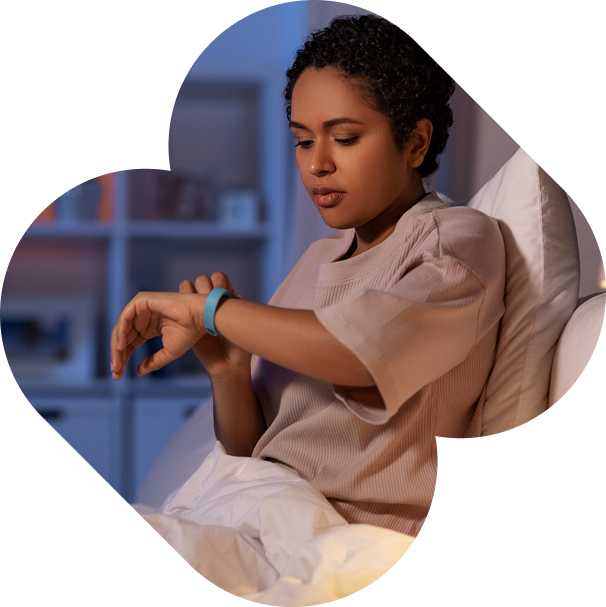
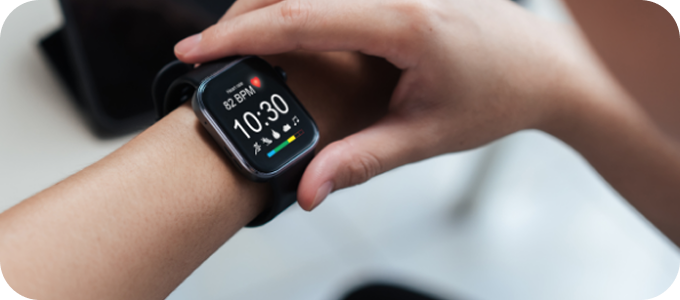
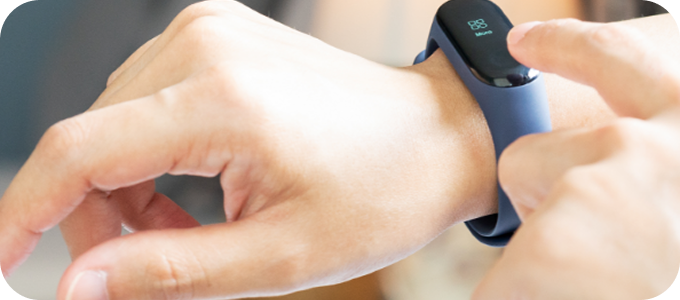
Understand your rest with everyday smart devices and apps.

001

Mail-In Sleep Studies

Test from home with a shipped kit and mail results securely.

002

Sleep Tracking Rings & Bands

Lightweight devices like Oura Ring or Fitbit Sense record deep and REM sleep.

003

Mobile Sleep Apps

Phone-based apps monitor snoring, sounds, and movement using your microphone.

See Recommended Sleep Tracking Tools

A breakthrough alternative to CPAP.

Inspire is an innovative treatment for obstructive sleep apnea that works inside your body while you sleep. This small device gently stimulates key airway muscles to keep your airway open—without a mask or hose. It’s FDA-approved, clinically proven, and covered by most insurance plans.

90%

of bed partners report no snoring or soft snoring.

93%

of patients recommend Inspire therapy

79%

reduction in sleep apnea events.

91%

of patients say Inspire therapy is better than CPAP

Learn About Inspire Therapy

How It Works

It’s sleep therapy that moves with you, not against you.

01. You fall asleep naturally.

02. Inspire senses each breath.

03. A gentle pulse keeps your airway open.

04. You breathe freely—without masks or noise.

Why Patients Choose Inspire

Mask-free comfort:

No hoses, straps, or nighttime noise.

Clinically proven:

FDA-approved and backed by long-term studies.

Simple control:

Turn Inspire on with a handheld remote before bed.

Personalized support:

Your sleep specialist monitors and adjusts settings as needed.

Schedule a Sleep Evaluation

Our board-certified sleep physicians provide advanced, evidence-based sleep care.

Our sleep specialists are dedicated to helping patients understand, diagnose, and treat sleep disorders using advanced testing and personalized care—so you can wake up feeling rested, focused, and restored.


Dr. Prasad S. Garimella

Dr. Rajesh R. Jasani

Dr. Susmita Rajanala

Dr. Vosudesh K. Pai

Dr. Sarah J. Hayat
Sleep Well. Live Better.

We help you understand and overcome sleep issues through proven diagnostics and treatment.

Sleep Services Include:

001
Automatic Positive Airway Pressure (APAP) Therapy for Sleep Apnea

If you have been diagnosed with obstructive sleep apnea and your provider has recommended positive airway pressure therapy, APAP – automatic positive airway pressure – is often the most flexible and patient-friendly place to start. Rather than delivering a fixed pressure throughout the night, an APAP machine continuously monitors your breathing and adjusts its output in real time to deliver exactly the pressure your airway needs at any given moment.

At Gwinnett Pulmonary & Sleep, our sleep specialists have been helping patients across Gwinnett County manage sleep disorders since 1983. We provide APAP equipment, in-office fitting, and the ongoing clinical support that makes the difference between therapy that works and therapy that gets abandoned after a few weeks.

See If APAP Is Right for You

Contact Us

What Is an APAP Machine?

An APAP machine, also called an auto-titrating or auto-adjusting PAP device, is a non-invasive sleep therapy device that treats obstructive sleep apnea by delivering pressurized air through a mask to prevent airway collapse during sleep.

What sets APAP apart from standard CPAP is its ability to automatically adjust pressure breath by breath throughout the night. Built-in sensors continuously measure airflow, detect obstructions, and respond by increasing or decreasing pressure as needed, staying within a clinically prescribed range set by your provider.

The result is a therapy that adapts to natural changes in your sleep position, sleep stage, alcohol consumption, nasal congestion, and weight, all of which can affect the pressure your airway needs on any given night.

What Is APAP Used For?

APAP is primarily prescribed for patients with obstructive sleep apnea, the most common form, in which the muscles at the back of the throat relax during sleep and partially or fully block the airway. This causes repeated breathing interruptions that fragment sleep, reduce oxygen levels, and place strain on the cardiovascular system over time.

APAP is particularly well-suited for:

Newly diagnosed sleep apnea patients. Because APAP self-adjusts, it is often used as a first-line therapy option. It removes the need for a precisely calibrated fixed pressure from the outset, allowing treatment to begin while your body adapts to therapy.

Patients whose pressure needs fluctuate. If your sleep apnea severity varies based on sleeping position, weight changes, seasonal allergies, or other factors, APAP accommodates those fluctuations automatically rather than defaulting to a single fixed setting that may be too high on some nights and insufficient on others.

Patients who struggled with fixed-pressure CPAP. Some patients find constant high pressure uncomfortable, particularly during exhalation. Because APAP only delivers higher pressure when needed, many patients find it easier to tolerate and more comfortable to use consistently.

APAP is not appropriate for all patients and sleep conditions. Those with central sleep apnea, complex sleep apnea, COPD, or conditions requiring specific ventilatory support are typically better served by BiPAP therapy or other devices. Your provider will determine the right therapy based on your sleep study results and clinical profile.

Speak with a Sleep Therapy Specialist

What to Expect at Our APAP Clinic

Evaluation and Prescription

APAP therapy requires a confirmed diagnosis of obstructive sleep apnea, typically established through one of our sleep diagnostic services, like a home sleep study or in-lab polysomnography. Your sleep specialist will review your results and prescribe the appropriate minimum and maximum pressure range for your device.

Equipment Selection and Mask Fitting

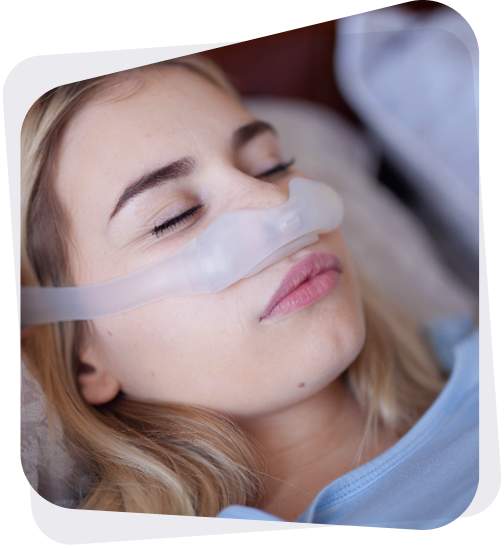
Our clinic carries APAP machines from manufacturers with clinical validation. Our respiratory therapists will help you select the right device and mask style -nasal, full-face, or nasal pillow-based on your facial anatomy, breathing pattern, and sleep habits. Mask fit is critical. Even a well-calibrated APAP machine will underperform if the mask does not seal properly.

Setup and Patient Education

Before you leave the clinic with your equipment, our team walks you through device operation, humidity and temperature settings, daily cleaning, and what to expect during the first few weeks of therapy. Patients who understand their equipment from the start adjust more quickly and are significantly more likely to maintain consistent use.

Ongoing Monitoring and Support

Modern APAP machines generate detailed therapy data, including nightly usage hours, delivered pressure levels, mask leak rates, and residual apnea events. Our team reviews this data at follow-up visits to confirm your therapy is performing as intended and to make adjustments if needed. If you are not waking up feeling rested or are experiencing discomfort, contact us. Therapy data often reveals exactly what needs to change.

Contact Our Sleep Clinic

Why Choose Gwinnett Pulmonary & Sleep?

Sleep Specialists with Decades of Experience

Gwinnett Pulmonary & Sleep has been diagnosing and treating sleep disorders in Gwinnett County since 1983. Our sleep medicine specialists understand that effective APAP therapy begins with an accurate diagnosis and the right clinical guidance, not just a device shipped to your door.

Diagnosis, Equipment, and Follow-Up Under One Roof

From your initial sleep evaluation through equipment fitting and long-term therapy monitoring, everything is managed within our practice. You will not be handed off to a separate equipment supplier with no clinical connection to your care team.

Hands-On Support When You Need It

Starting PAP therapy is an adjustment. Mask discomfort, pressure sensitivity, and early compliance challenges are common and addressable. Our respiratory therapists are available to troubleshoot, refit, and guide you through the process so that temporary early difficulties do not become reasons to abandon treatment.

Patient-Centered Care

We understand that sleeping with a machine takes getting used to. Our team is committed to:

  • Honest guidance on what the adjustment period looks like
  • Responsive follow-up when something is not working
  • Therapy data reviews that keep treatment optimized over time
  • Clear communication between your sleep specialist and primary care provider

Gwinnett Pulmonary & Sleep serves patients across Gwinnett County from five convenient locations: Lawrenceville, Duluth, Snellville, Dacula, and Suwanee.

About Us

Find a Location Near You

Begin APAP Therapy in Gwinnett County

If you have been diagnosed with obstructive sleep apnea or are not getting the results you need from your current therapy, our team can help you find the right solution. At Gwinnett Pulmonary & Sleep, we provide the diagnosis, equipment, and ongoing support to make sleep apnea treatment work and keep it working.

Call our office to schedule a sleep therapy consultation or request an appointment online.

See If APAP Is Right for You

Contact Us

Frequently Asked Questions

What is an APAP machine?

An APAP machine is an automatic positive airway pressure device that treats obstructive sleep apnea by delivering self-adjusting pressurized air through a mask. Unlike CPAP, which operates at one fixed pressure, APAP continuously monitors your breathing and adjusts its output in real time to deliver the minimum pressure needed to keep your airway open.

What is the difference between APAP and CPAP?

CPAP delivers a single fixed pressure throughout the night. APAP operates within a prescribed range and automatically adjusts pressure breath by breath based on your airway’s changing needs. Many patients find APAP more comfortable because pressure is only as high as it needs to be at any given moment.

Is APAP better than CPAP?

Neither is universally better; the right choice depends on your diagnosis, pressure needs, and personal comfort. APAP offers greater flexibility and is well-suited for patients with fluctuating pressure needs or those new to PAP therapy. Your sleep specialist will recommend the most appropriate option based on your clinical profile.

Who is APAP not suitable for?

APAP is designed specifically for obstructive sleep apnea. It is not appropriate for patients with central sleep apnea, complex sleep apnea, COPD, or conditions requiring specific ventilatory pressure support. These patients are typically better served by BiPAP or other therapies.

Do I need a sleep study before getting an APAP machine?

Yes. A confirmed diagnosis of obstructive sleep apnea is required before APAP therapy can be prescribed. This is typically established through a home sleep test or an in-lab sleep study. Our team can coordinate this evaluation if you have not yet completed one.

How do I know if my APAP therapy is working?

Your APAP machine records nightly therapy data, including usage hours, pressure levels, mask leak rates, and residual apnea events. Our team reviews this data at follow-up visits to confirm your therapy is effective and to make any necessary adjustments. Feeling consistently rested and alert during the day is also a strong indicator that therapy is working.

Is APAP covered by insurance?

APAP therapy and equipment are covered by Medicare and most private insurance plans when obstructive sleep apnea has been diagnosed, and the medical necessity criteria are met. Our team will verify your coverage before you begin, so you understand your benefits and any out-of-pocket costs in advance.

What if I am not tolerating my APAP mask?

Mask discomfort is one of the most common early challenges with PAP therapy and one of the most solvable. Our respiratory therapists can refit your mask, recommend alternative styles, and adjust humidity and pressure settings to improve comfort. Contact our clinic before giving up on therapy; most tolerance issues have straightforward solutions.

001
BiPAP Therapy for Sleep Apnea & Breathing Support

If you’ve been prescribed bi-level positive airway pressure therapy, or if you’re struggling with a current BiPAP setup that isn’t working well for you, getting the right equipment and clinical support makes a significant difference in how effective and sustainable your treatment is.

At Gwinnett Pulmonary & Sleep, our sleep and pulmonary specialists have been managing breathing disorders and respiratory therapy in Gwinnett County since 1983. We provide BiPAP equipment, personalized fitting, and ongoing therapy management so patients can start sleep disorder treatment with confidence and maintain it long-term.

Find Out If BiPAP Is Right for You

Contact Us

What Is a BiPAP Machine?

BiPAP stands for bi-level positive airway pressure. A BiPAP machine is a non-invasive respiratory device that delivers pressurized air through a mask to help keep the airway open during breathing. Unlike a CPAP machine, which delivers a single continuous pressure level, a BiPAP machine uses two distinct pressure settings: a higher pressure during inhalation (IPAP) and a lower pressure during exhalation (EPAP).

This two-level approach makes breathing feel more natural and comfortable, particularly for patients who find it difficult to exhale against constant pressure or who require higher therapeutic pressure settings to manage their condition.

BiPAP therapy is delivered through a fitted mask that connects to the machine via flexible tubing. Masks are available in several styles, including nasal, full-face, and nasal-pillow options, to accommodate different facial structures, breathing patterns, and comfort preferences.

What Is BiPAP Therapy Used For?

BiPAP is prescribed for a range of conditions affecting nighttime breathing and respiratory function. At Gwinnett Pulmonary & Sleep, we provide BiPAP therapy for patients with:

Obstructive sleep apnea (OSA). When CPAP therapy is ineffective, poorly tolerated, or insufficient at the required pressure settings, BiPAP is often the recommended next step. The dual-pressure system makes it easier for many patients to adapt to therapy and maintain consistent nightly use.

Central sleep apnea. Unlike obstructive sleep apnea, central sleep apnea occurs when the brain fails to send the correct signals to the breathing muscles. BiPAP supports respiratory effort by providing a consistent pressure differential that assists both inhalation and exhalation.

COPD and chronic respiratory failure. For patients with chronic obstructive pulmonary disease, emphysema, or hypercapnic respiratory failure, where carbon dioxide builds up in the blood, BiPAP therapy provides ventilatory support that helps offload the breathing muscles and improve gas exchange during sleep.

Obesity hypoventilation syndrome. Patients whose weight significantly restricts chest wall movement and reduces breathing efficiency during sleep often require bi-level pressure support to maintain adequate oxygenation overnight.

Neuromuscular conditions. Diseases that weaken the respiratory muscles, such as ALS, muscular dystrophy, or diaphragmatic weakness, may require BiPAP to support ventilation, particularly during sleep when breathing effort naturally decreases.

BiPAP vs. CPAP: What’s the Difference?

Both devices treat sleep-disordered breathing by delivering pressurized air to keep the airway open, but they are not interchangeable.

CPAP delivers one fixed pressure level continuously throughout the breathing cycle. It is the most commonly prescribed therapy for straightforward obstructive sleep apnea and is effective for the majority of patients.

BiPAP uses separate pressure settings for inhalation and exhalation, making it better suited for patients who require higher pressure levels, have difficulty exhaling against fixed pressure, or have conditions that require a more nuanced ventilatory approach.

Your pulmonologist or sleep specialist will determine which therapy is appropriate based on your diagnosis, sleep study results, and how your body responds to treatment.

Speak with a Sleep Therapy Specialist

What to Expect at Our BiPAP Clinic

Starting BiPAP therapy at Gwinnett Pulmonary & Sleep is a supported, step-by-step process, not simply a prescription handed off to a third party.

Evaluation and Prescription

BiPAP therapy requires a clinical evaluation and, in most cases, a sleep study to confirm your diagnosis and determine the appropriate pressure settings.

Equipment Selection and Fitting

Our clinic carries BiPAP equipment from leading manufacturers, including ResMed BiPAP machines and other clinically validated devices. Our respiratory therapists will help you select the right machine and mask for your anatomy, sleeping position, and comfort needs. Proper mask fit is one of the most important factors in successful BiPAP therapy; an ill-fitting mask leads to leaks, pressure loss, and poor sleep quality, undermining the entire treatment.

Setup and Education

Before you leave with your equipment, our team walks you through everything: how to assemble and operate the machine, how to clean and maintain your mask and tubing, how to adjust for comfort, and what to do if you experience issues. Patients who feel confident with their equipment from day one are far more likely to stay consistent with therapy.

Ongoing Support and Monitoring

BiPAP therapy is not a set-it-and-forget-it treatment. Pressure settings may need adjustment as your condition evolves, equipment requires regular maintenance, and masks need periodic replacement. Our team provides ongoing follow-up to monitor your therapy data, assess your treatment response, and make adjustments when needed.

If you are experiencing difficulty tolerating your current BiPAP setup – mask discomfort, air leaks, dry mouth, or simply not feeling rested – contact us. These are solvable problems, and our team can help troubleshoot.

Contact Our BiPAP Clinic

Is BiPAP Therapy Safe?

BiPAP is a well-established, non-invasive therapy used widely in both sleep medicine and respiratory care. It does not involve surgery or sedation and can be initiated and adjusted on an outpatient basis.

Some patients experience an adjustment period when first starting therapy. Common early challenges include:

  • Discomfort wearing the mask during sleep
  • Dryness in the nose, mouth, or throat
  • Difficulty exhaling against pressure initially
  • Minor skin irritation from mask contact

Most of these issues resolve with proper mask fitting, humidity adjustments, and gradual acclimatization. Our respiratory therapists are experienced in helping patients work through the early stages of therapy so that BiPAP becomes a sustainable part of their nightly routine rather than something they abandon after a few weeks.

Why Choose Gwinnett Pulmonary & Sleep for BiPAP?

Specialists Who Understand Both Sides

BiPAP sits at the intersection of sleep medicine and pulmonary care. Because our practice covers both disciplines under one roof, our team understands the full clinical picture, whether your BiPAP prescription is driven by a sleep disorder, a lung condition, or both. That integrated perspective leads to better-informed therapy decisions.

Decades of Respiratory Therapy Experience

Gwinnett Pulmonary & Sleep has been treating patients with breathing disorders in Gwinnett County since 1983. Our pulmonologists and respiratory therapists bring decades of experience managing PAP therapy across a wide range of conditions and patient profiles.

Equipment, Fitting, and Follow-Up in One Place

Many patients receive a BiPAP prescription and are then left to navigate equipment sourcing, fitting, and troubleshooting on their own. At our clinic, equipment selection, setup, education, and ongoing monitoring all take place within the same practice, so nothing falls through the cracks.

Patient-Centered Approach

We understand that starting a new therapy that involves sleeping with a machine and a mask is a significant adjustment. Our team is committed to:

  • Honest guidance on what to expect during the adjustment period
  • Responsive support when problems arise
  • Pressure setting reviews when therapy data suggests room for improvement
  • Long-term follow-up that keeps your therapy working as your needs change

Gwinnett Pulmonary & Sleep serves patients across Gwinnett County from five convenient locations: Lawrenceville, Duluth, Snellville, Dacula, and Suwanee.

About Us

Find a Location Near You

Get Started with BiPAP Therapy in Gwinnett County

Whether you are newly diagnosed, transitioning from CPAP, or looking for better support with an existing BiPAP prescription, our team is here to help. At Gwinnett Pulmonary & Sleep, we provide the clinical expertise, equipment, and hands-on support to make BiPAP therapy work for you from day one.

Call our office to schedule an evaluation, or request a consultation online with one of our sleep and pulmonary specialists.

Find Out If BiPAP Is Right for You

Contact Us

Frequently Asked Questions

What is a BiPAP machine used for?

It is used to treat obstructive and central sleep apnea, COPD, obesity hypoventilation syndrome, and other conditions that impair nighttime breathing or ventilation.

Do I need a sleep study before getting a BiPAP machine?

In most cases, yes. A sleep study is typically required to confirm your diagnosis and determine the appropriate pressure settings for your therapy. Our team can coordinate this evaluation if you have not yet completed one.

Can I get a BiPAP machine without a prescription?

No. BiPAP machines are prescription medical devices. A licensed clinician must evaluate your condition and prescribe the appropriate settings before therapy can begin.

What BiPAP machines do you carry?

Our clinic carries equipment from leading manufacturers, including ResMed BiPAP machines and other clinically validated devices. Our respiratory therapists will help you identify the right machine and mask combination for your needs.

How do I know if my BiPAP pressure settings are correct?

Modern BiPAP machines record therapy data, including pressure levels, leak rates, and breathing events, that our team reviews during follow-up visits. If your settings need adjustment, our pulmonologists and sleep specialists will make evidence-based changes based on your therapy data and how you are feeling.

What if I cannot tolerate wearing a BiPAP mask?

Mask intolerance is one of the most common reasons patients abandon PAP therapy, and one of the most addressable. Our respiratory therapists are experienced in identifying fit issues, recommending alternative mask styles, and adjusting humidity and pressure settings to improve comfort. Most tolerance issues can be resolved with the right support.

Is BiPAP covered by insurance?

BiPAP therapy and equipment are covered by Medicare and most private insurance plans when medical necessity criteria are met, typically supported by a qualifying sleep study or clinical evaluation. Our team will verify your coverage before you begin therapy so you understand your benefits and any out-of-pocket costs upfront.

001
Virtual Consultation

Expert Sleep Care, Anytime, Anywhere

Dr. Jasani’s connectivity-enabled devices send real-time sleep data for accurate and immediate analysis — without leaving your home.

Get Personalized Sleep Care from a Trusted Expert — Without Leaving Home

Why See a Sleep Doctor?

Doctor reviewing sleep results


Precise Diagnosis: A sleep doctor can identify the root cause of issues like sleep apnea, insomnia, and snoring.

Tailored Treatment: Receive personalized care that fits your unique needs, whether it’s CPAP therapy or alternatives.

Better Health: Treating sleep disorders helps prevent chronic conditions like heart disease and obesity.

Why Go Virtual?

Virtual doctor visit


Ultimate Convenience: Speak with Dr. Raj Jasani from home — no need for office visits.

At-Home Sleep Study: Sleep study equipment is delivered to your door, and connectivity-enabled devices send real-time data directly to Dr. Jasani for continuous analysis.

Ongoing Virtual Care: Get continuous, personalized follow-ups and treatment adjustments without disrupting your life.

Patients treated

10,000+

Patients Treated

Trusted by thousands for expert sleep care.

Patient satisfaction

98%

Patient Satisfaction Rate

High satisfaction through personalized, convenient care.

CPAP success

95%

CPAP Success Rate

Proven solutions for long-term sleep apnea relief.

Virtual support

24/7

Virtual Support

Accessible consultations and ongoing treatment from anywhere.

How It Works: The 4-Step Process

Virtual consultation

Virtual Consultation

Book a video appointment with Dr. Jasani to discuss your symptoms and medical history.

Home sleep study

Home Sleep Study

A sleep kit is shipped to your home with easy virtual setup and real-time data sharing.

Personalized treatment

Personalized Treatment

Dr. Jasani reviews your results and creates a custom treatment plan.

Ongoing virtual care

Ongoing Virtual Care

Continue virtual follow-ups to adjust your treatment as needed.

Fast Solutions to Real Sleep Problems

Sarah testimonial

Sarah
Chronic Insomnia

Solution:

After one month of virtual sleep study and treatment, Sarah was sleeping soundly and full of energy.

Amanda testimonial

Amanda
Pregnant, Sleep Apnea

Solution:

In three weeks, Dr. Jasani’s custom CPAP plan improved her sleep and helped support her health.

James testimonial

James
CPAP Mask Issues

Solution:

In two weeks, Dr. Jasani found an alternative mask that worked comfortably for him.

Why Gwinnett Sleep Is Different

Expert Care from Dr. Raj Jasani

With years of experience, Dr. Jasani crafts custom sleep solutions based on thorough analysis.

Experienced Team

Our support team guides you through every step of your treatment journey, offering continuous virtual assistance.

Tailored Treatment Plans

No one-size-fits-all solutions — every plan is created around your specific sleep needs and challenges.

001
CPAP

CPAP Clinic Gwinnett GA

CPAP for Treatment of Sleep Apnea

A good night’s sleep is an integral part of overall health and wellness. Gwinnett Sleep is your complete care solution for your sleep apnea. We have physicians, testing, and sleep apnea machines for patients to use.

Our goal is to provide excellent care and make a sometimes confusing and complicated process as simple as it can be. Don’t see the information you’re looking for on this page? Give us a call. We serve patients in Gwinnett and the surrounding areas.

What is CPAP therapy?

Continuous Positive Airway Pressure, or CPAP, is a machine used as a sleep apnea treatment. CPAP machines are used for the treatment of sleep disorders such as Obstructive Sleep Apnea, abnormal breathing, and other breathing disorders during sleep. CPAP machines are able to keep airways open during sleep by using mild air pressure. CPAP machines also prevent the airways from collapsing during sleep.

CPAP machines have a mask to cover your nose and mouth that is connected to a motor by a tube. The sleep doctors at Gwinnett Sleep will work with you to make sure your CPAP machine is set up properly. We will work with you to find the most comfortable and effective machine option.

What is BiPAP?

Bilevel positive airway pressure, or BiPAP, machines are non-invasive breathing machines. Similar to CPAP, BiPAP machines also have a mask connected to a machine through a tube. The main difference between the two is that bilevel PAP devices deliver two levels of air pressure, whereas a CPAP machine is a continuous level of air pressure. CPAP is typically the first option for those with obstructive sleep apnea. If the CPAP machine is not working for the patient, BiPAP is an alternative option.

The CPAP clinic at Gwinnett Sleep provides a variety of services at our Lawrenceville and Duluth locations.

CPAP Services

We offer CPAP and BiPAP services and equipment for sleep apnea.

  • CPAP/BIPAP Setup
  • Mask Fittings
  • Mask Replacement
  • CPAP Supplies (Filters, Hose, etc.)

CPAP Problems

Patients using CPAP for the first time may experience difficulty or discomfort with the machine. Problems with the CPAP machine include:

  • Lack of humidification
  • Nasal dryness
  • Mask pressure
  • Nasal congestion
  • Nasal irritation

Learn more about CPAP problems and solutions to help you get better use out of any sleep apnea machine.

CPAP Therapy Best Practices

It may take time to adjust to a new CPAP machine. CPAP therapy is important for those struggling with obstructive sleep apnea. In order to get the most out of your CPAP machine, try the following:

  • Use your CPAP machine every time you sleep
  • Clean your CPAP machine regularly
  • Try not to adjust the settings of the machine

If you are still having trouble with your CPAP machine, please contact our sleep specialists for a consultation.

CPAP Education

Discover how to become comfortable using CPAP therapy to improve the quality of sleep. Join us for informational webinars about how CPAP devices can help with obstructive sleep apnea.

Need Supplies?

Order CPAP Supplies

Click here

Login or activate your account here.

Browse available masks here.

Learn More

001
Inspire Therapy

Get The Sleep You’ve Been Dreaming About.

The Inspire Program, now offered by Gwinnett Sleep, is a new method of treating sleep apnea that has amazing results. The Inspire Program is an innovative new technology that, unlike CPAP machines which simply manage symptoms, works to actively cure your obstructive sleep apnea (OSA). With this device, patients can leave their sleep apnea behind and finally get a good night’s sleep.

How It Works:

Inspire Sleep is a small device that is placed under your skin in a same-day outpatient procedure that takes about 2 hours. When implanting the device, your doctor will make 2 small incisions under your chin and below your collarbone. This device stops snoring and sleep apnea by delivering mild stimulation to the muscles in your airways, which allows the airway to remain open during sleep.

The Inspire device is controlled by a handheld remote that is turned on before sleep. When the device is on, it sends mild stimulation to your motor nerve, which gently pushes your tongue out of the way to facilitate easier breathing. This stimulation should not feel uncomfortable or painful, nor should it disrupt your sleep. The Inspire device is designed to be practically invisible and unable to be felt during the day.

Want To Join?

To begin the Inspire Program, you must first go through a consultation with our sleep specialist to determine candidacy by a physical exam and home sleep study (if not performed within last 2 years). Part of the qualification is that you have already tried using CPAP to treat your sleep apnea, and it did not work for you or you did not tolerate.

Once an evaluation and home sleep study determine you are a candidate for inspire then you will see an ENT physician for DISE (Drug induced sleep endoscopy) exam. During this exam, doctors will use a small camera to observe how your airway opens and closes. The airway exam process takes about 20 minutes, and once it is complete, you’ll know if Inspire is right for you.

Once you have qualified for the device, you can set up your Inspire procedure to receive the implant. After the procedure, you can take over-the-counter medication during recovery and resume non-strenuous activity within a few days, although you should wait to begin strenuous activities after a few weeks.

Why It Matters:

The Inspire Program is important as it effectively stops sleep apnea from occurring. Untreated sleep apnea can lead to adverse effects such as an increased risk of stroke, heart attack, and diabetes. The sleep deprivation caused from sleep apnea can also lead to workplace or automobile accidents.

Sleep deprivation has a negative effect on your overall health, so managing sleep apnea and achieving restful sleep is an important factor in staying healthy and reducing your risk of developing other medical conditions. With the Inspire device, sleep apnea becomes a thing of the past and patients who have undergone the procedure are able to achieve the restful sleep they need to stay healthy.

Our Team Can Help:

At Gwinnett Sleep, we now offer the Inspire Program because we believe that all of our patients deserve high-quality rest. Our doctors specialize in sleep medicine and are experts in helping patients resolve their sleep issues to get the good night’s sleep they deserve. Dr. Jasani, one of our talented sleep doctors, is one of the only doctors in the Gwinnett area to provide the new Inspire Sleep service because Gwinnett Sleep believes in innovation to provide patients with the best care possible. Make an appointment today to get started with this life-changing device and improve your sleep.

001
What is a home sleep study?

A home sleep study mirrors a conventional sleep study but is conducted in the patient’s home without the presence of doctors.

001
Sleep Consultations

Meet with a board-certified sleep specialist to get answers fast.

002
Sleep Studies (In-Lab & Home)

Comfortable, accurate testing tailored to your needs.

003
CPAP Therapy & Mask Fitting

Get set up, stay supported, and sleep safely.

004
Inspire® Sleep Therapy

A surgical alternative for patients who can’t tolerate CPAP.

005
Insomnia, RLS, Narcolepsy

Comprehensive treatment for your unique sleep challenges.

006
Sleep Disorder Education

Resources and coaching to build better habits long-term.

What kind of help do you need?

Not Sure Where to Start? Here’s a quick guide:

Concern

Start Here

Shortness of breath

May indicate asthma, COPD, or restricted airflow—schedule testing to determine the cause.

Pulmonary Services

Loud snoring or sleep apnea

Interrupted breathing at night? You may need a sleep study and CPAP therapy.

Sleep Study or CPAP

Chronic cough or lung nodules

Lingering cough or abnormal lung findings? Early evaluation is key to prevention and treatment.

Pulmonary Evaluation

Trouble sleeping or insomnia

Insomnia or fragmented sleep could signal a treatable sleep disorder. Let’s find out why.

Sleep Medicine

Can’t tolerate CPAP?

Inspire is a surgical, mask-free option for sleep apnea patients who can’t use CPAP.

Inspire® Sleep Therapy

Sleep Well. Live Better.

We help you understand and overcome sleep issues through proven diagnostics and treatment.

Sleep Services Include:

What kind of help do you need?

You may be looking for

Not Sure Where to Start? Here’s a quick guide:

Concern

Start Here

Shortness of breath

May indicate asthma, COPD, or restricted airflow—schedule testing to determine the cause.

Pulmonary Services

Loud snoring or sleep apnea

Interrupted breathing at night? You may need a sleep study and CPAP therapy.

Sleep Study or CPAP

Sleep Consultation

Chronic cough or lung nodules

Lingering cough or abnormal lung findings? Early evaluation is key to prevention and treatment.

Pulmonary Evaluation

Trouble sleeping or insomnia

Insomnia or fragmented sleep could signal a treatable sleep disorder. Let’s find out why.

Sleep Medicine

Can’t tolerate CPAP?

Inspire is a surgical, mask-free option for sleep apnea patients who can’t use CPAP.

Inspire® Sleep Therapy

Contact & Scheduling

We're here when you need us —
and we're accepting new patients.

Our Patient
Care Matters

Expert Care for Common Lung & Sleep Conditions

Privacy Overview

This website uses cookies so that we can provide you with the best user experience possible. Cookie information is stored in your browser and performs functions such as recognising you when you return to our website and helping our team to understand which sections of the website you find most interesting and useful.